
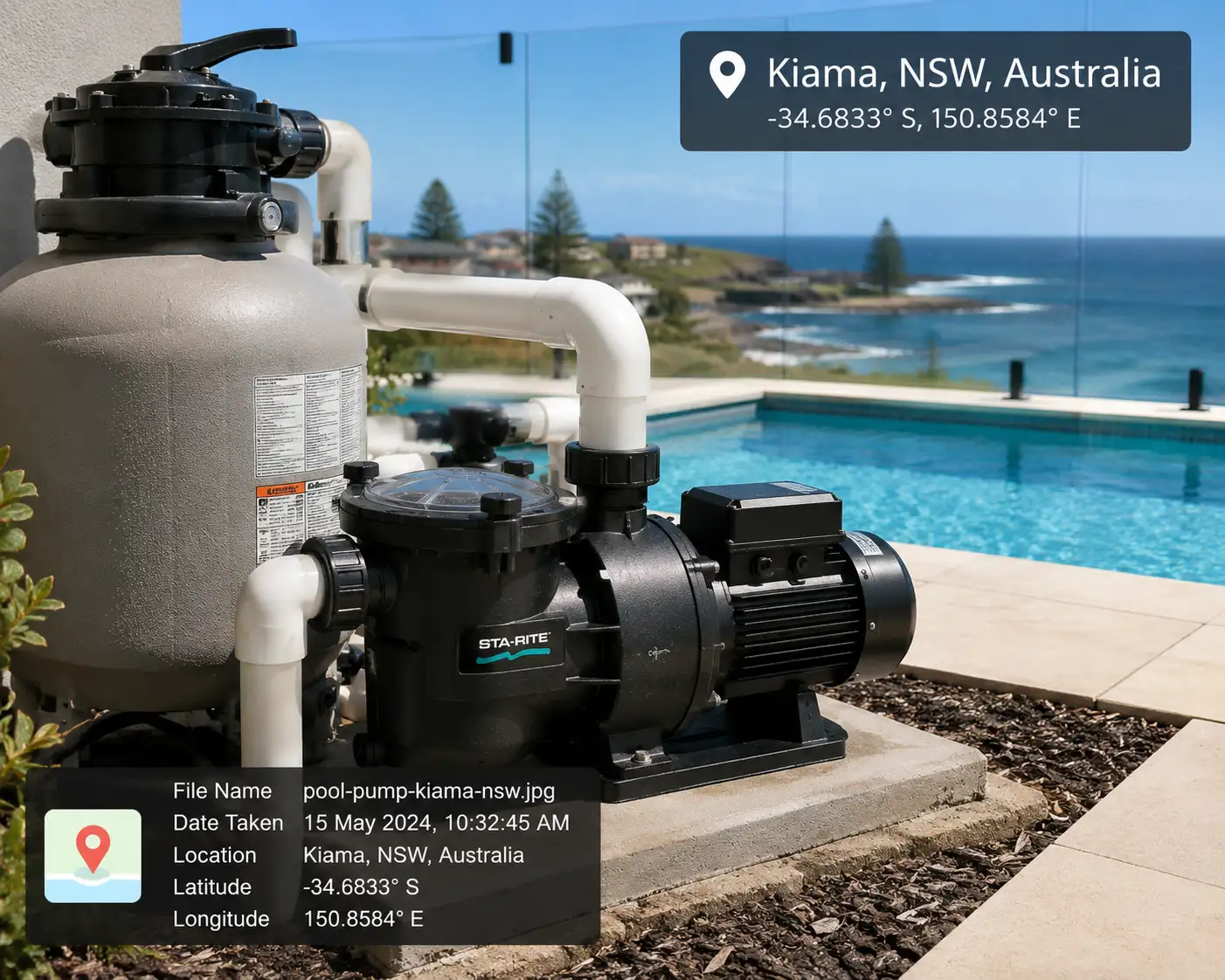
Your pool pump is often called the heart of your swimming pool because it keeps water circulating through the filtration system, allowing your chlorinator and filter to do their job properly. Without a reliable pump, your pool water can quickly become cloudy, develop algae and place unnecessary strain on the rest of your equipment.
Like any mechanical equipment, pool pumps eventually wear out. While some problems can be repaired, there comes a point where replacing the pump is the safest and most cost-effective solution.
At Illawarra Pool Cleaning, we regularly diagnose and replace faulty pool pumps throughout Wollongong, Shellharbour, Kiama and the South Coast. Knowing the early warning signs can help you avoid expensive repairs and unexpected equipment failures.
Why Your Pool Pump Is So Important
Every time your pump operates it performs several essential tasks.
It:
- Circulates pool water
- Pushes water through the filter
- Supplies water to the chlorinator
- Distributes pool chemicals
- Prevents stagnant water
- Helps remove dirt and debris
- Improves water clarity
If the pump stops working efficiently, the entire pool system suffers.
1. Your Pool Pump Is Making Loud Noises
One of the first signs of pump problems is unusual noise.
Healthy pool pumps produce a steady operating sound.
Warning signs include:
- Grinding noises
- Screeching
- Rattling
- Humming
- Knocking
- Excessive vibration
These sounds may indicate worn bearings, motor failure, damaged impellers or internal wear.
Ignoring unusual noises often leads to complete pump failure.
2. Poor Water Circulation
If water is no longer circulating properly, your pump may be losing performance.
Common symptoms include:
- Weak return jets
- Dirty pool water
- Floating debris
- Poor skimming
- Reduced suction
Poor circulation can also affect chemical distribution, making algae more likely.
3. The Pump Keeps Losing Prime
A properly functioning pump should remain primed once operating.
If you frequently notice:
- Air inside the pump basket
- Water draining from the pump
- Difficulty restarting
- Air bubbles entering the pool
there may be air leaks, worn seals or internal pump problems that require professional inspection.
4. Frequent Tripping of the Circuit Breaker
Electrical issues should never be ignored.
If your pump repeatedly trips the safety switch or circuit breaker, possible causes include:
- Motor failure
- Electrical faults
- Water ingress
- Internal short circuits
- Ageing components
Always have electrical faults inspected by qualified professionals.
5. Water Leaking Around the Pump
Small leaks often become larger over time.
Common leak locations include:
- Mechanical seals
- Pump housing
- Lid O-ring
- Pipe connections
- Drain plugs
While some seals can be replaced, older pumps with multiple leaks are often better candidates for replacement.
6. Your Electricity Bills Have Increased
Older pool pumps are significantly less energy efficient than modern variable-speed models.
If your electricity bill has increased without obvious reason, your ageing pump may be consuming more power than necessary.
Upgrading to a variable-speed pump can dramatically reduce running costs while improving overall circulation.
7. The Pump Is More Than 8–10 Years Old
Although many pumps last longer with proper maintenance, age alone is an important factor.
As motors wear, efficiency decreases and repair costs become more frequent.
If your pump is over 8–10 years old and beginning to show signs of wear, replacement may be the most economical long-term solution.
8. Cloudy or Green Pool Water
Many pool owners assume cloudy water is always caused by chemicals.
In reality, poor circulation from an ageing pump often contributes to:
- Cloudy water
- Green pools
- Algae growth
- Poor filtration
Without adequate circulation, sanitising chemicals cannot effectively reach every part of the pool.
Repair or Replace?
One of the most common questions we receive is whether a faulty pump should be repaired or replaced.
A repair may be appropriate if:
- The pump is relatively new
- The motor is in good condition
- Only seals or O-rings require replacement
- The repair is cost-effective
Replacement is often the better option when:
- The motor has failed
- Bearings are badly worn
- Multiple repairs are required
- The pump is inefficient
- Parts are difficult to source
- The pump is nearing the end of its service life
We’ll always explain your options and recommend the solution that offers the best long-term value.
Benefits of Upgrading Your Pool Pump
Modern pool pumps offer significant improvements over older models.
Benefits include:
- Lower electricity consumption
- Quieter operation
- Improved circulation
- Better filtration
- Longer lifespan
- Reduced maintenance
- Improved chlorinator performance
- Digital programming options
Many homeowners notice both improved water quality and lower power bills after upgrading.
Variable Speed Pumps – A Smart Investment
Variable-speed pumps are now the preferred option for most residential pools.
Advantages include:
- Adjustable operating speeds
- Lower running costs
- Quiet operation
- Improved energy efficiency
- Longer equipment life
- Better water turnover
Running at lower speeds for longer periods often provides better filtration while using much less electricity.
Professional Pool Pump Replacement Across the Illawarra
Illawarra Pool Cleaning supplies and installs quality pool pumps throughout:
- Wollongong
- North Wollongong
- Fairy Meadow
- Corrimal
- Bulli
- Woonona
- Thirroul
- Shellharbour
- Shell Cove
- Albion Park
- Oak Flats
- Kiama
- Kiama Downs
- Minnamurra
- Jamberoo
- Gerringong
- Gerroa
- Berry
- Shoalhaven Heads
Our experienced technicians assess your existing equipment and recommend the most suitable replacement pump for your pool size and circulation requirements.
Why Choose Illawarra Pool Cleaning?
Homeowners trust us because we provide:
- Honest equipment advice
- Professional pump installation
- Energy-efficient upgrade recommendations
- Experienced local technicians
- Quality workmanship
- Reliable servicing
- Competitive pricing
- Ongoing support
- Free quotations
Our priority is helping you choose the right pump—not simply the most expensive one.
Frequently Asked Questions
How long should a pool pump last?
Most quality pool pumps last between 8 and 12 years, depending on usage, maintenance and operating conditions.
Is it worth repairing an old pool pump?
If the pump is approaching the end of its service life or has multiple faults, replacement is often more economical than repeated repairs.
Will a new pool pump reduce electricity costs?
Yes. Modern variable-speed pumps are significantly more energy efficient than older single-speed models and can noticeably reduce power consumption.
Why is my pool pump making a grinding noise?
Grinding or screeching sounds often indicate worn motor bearings or internal mechanical wear. Continued operation can cause further damage.
Can a faulty pool pump turn my pool green?
Yes. Reduced water circulation limits filtration and chlorine distribution, creating conditions where algae can grow.
Book a Pool Pump Inspection Today
If your pool pump is noisy, leaking, losing prime or simply not performing as it should, don’t wait until it stops working completely.
Illawarra Pool Cleaning provides professional pool pump inspections, honest advice and expert pump replacement services throughout Wollongong, Shellharbour, Kiama and the South Coast. We can recommend energy-efficient upgrades that improve water circulation while helping reduce your long-term running costs.
Call 0410 981 271 today for a free quote on professional pool pump replacement and installation.